September e-News
Peer-Facilitation Workshop
In Tsirang, local leaders had long carried out community consultations in a familiar way, gathering people, sharing information, and recording decisions. Yet, these meetings often left many voices unheard. Women, quieter participants, and persons with disabilities were frequently overlooked, while decisions tended to be steered by a few vocal individuals. Leaders themselves later admitted that they had been “informing” rather than truly “facilitating” during such community consultations from which they sought to get policy inputs.
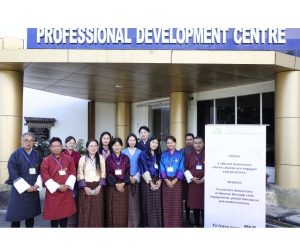
When they joined the Peer-Facilitation Workshop organised by BCMD, this approach began to shift. Over three days, the participants unlearned “facilitation” not as directing or leading but as guiding dialogue and creating spaces where every voice mattered. They discovered the importance of preparation, sharing the agenda in advance, using energisers to keep participants engaged, and practising active listening to understand, and not just respond or react.
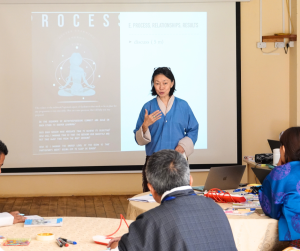
The experience was eye-opening. Leaders recognised how much past inefficiencies and frustrations had come from superficial listening and inclusivity in the voices captured in policy and decision making. Equipped with practical tools like summarising, balancing, and debriefing, they began to imagine community meetings that were participatory, respectful, and empowering for all.
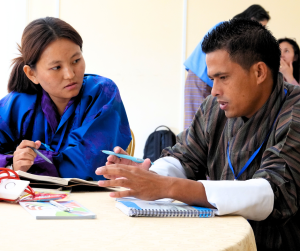
Leaders pledged to take these lessons back to their gewogs, determined to transform their local consultations into spaces where dialogue is genuine and decisions are collectively owned. As one GAO reflected, “Today, I understood the importance of truly listening to community voices.” This marks not just a change in practice, but a victory in mindset, a transformation from merely informing to actively facilitating, laying the groundwork for a stronger and more inclusive democracy in Bhutan.
Celebrating International Day of Democracy 2025
To mark the International Day of Democracy 2025, BCMD partnered with its Media and Democracy Clubs across several schools and colleges to host a series of activities that celebrated democratic values and encouraged active citizenship among youth and community members.
Schools in Tsirang observed the day with Essay and Art Competitions, inviting students to reflect on the theme “How do you see yourself playing an active citizen’s role in Bhutan’s democracy?” Meanwhile, young artists explored “The Future of Democracy in Bhutan: My Hopes and Dreams.” These activities provided students a platform to express their views on the current and future aspirations of Bhutanese democracy from their perspectives.
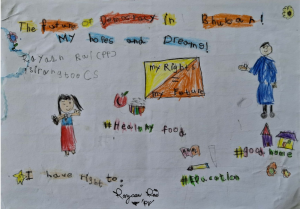
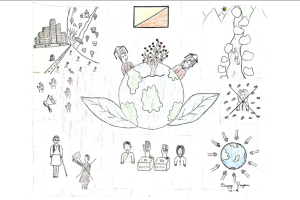
At Taktse Central School, the Media and Democracy Club hosted an Inter-Class Quiz Contest. The event promoted democratic awareness and tested students’ knowledge of civic values, current affairs, and democracy, inspiring enthusiastic participation and reinforcing the importance of active citizenship.
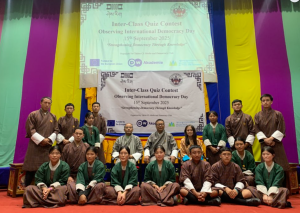
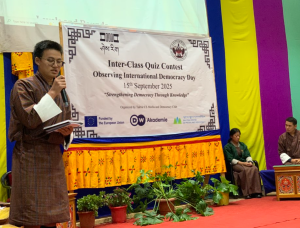
Sherubtse College observed the day with a Democracy Talk Series, featuring the Director of the Election Commission of Bhutan as guest speaker. Addressing more than 800 students and 50 faculty members, the session emphasised the importance of voting, highlighted the challenge of low voter turnout among young people and women, and stressed the need for stronger civic education. The Director also explained Bhutan’s democratic system under the Constitutional Monarchy, helping students better understand the country’s unique democratic journey.
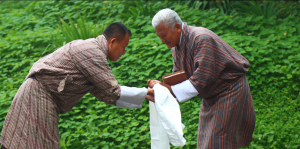
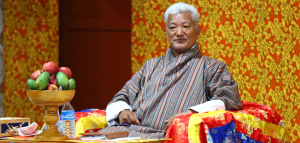
The programme was supported by BCMD through the Media and Democracy School Club Programme, as part of the EU-funded “Building Inclusive Democracy” project, and Bhutan Foundation project.
CSO-Quaterly Meet (30th September)
The Bhutan Centre for Media and Democracy, in partnership with the two elected Civil Society Organisation (CSO) Representatives to the CSO Authority, convened the second CSO Quarterly Meeting of 2025 in Thimphu today. The quarterly meetings are a joint undertaking of Deutsche Welle Akademie (DWA), BCMD, and Bhutan Transparency Initiative (BTI) with financial support from the European Union (EU).
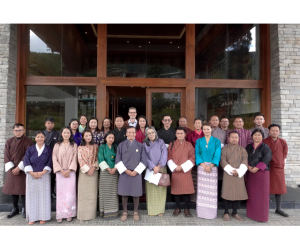
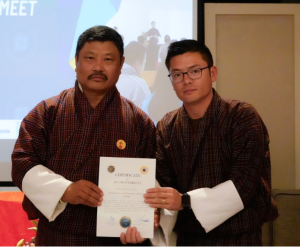
The meeting commenced with a keynote address by the Anti-Corruption Commission Commissioner, Dasho AK Rinzin, followed by the award of the Bhutan Civil Society Accountability Standard (BCAS) Certificates. This recognition underscores the sector’s commitment to transparency, accountability, and integrity. The ACC Commissioner highlighted the importance of the BCAS as a benchmark for strengthening good governance and emphasised its role in fostering a corruption-free society.
A major focus of the meeting was the CSO Endowment Fund and investment strategies, where CSOs deliberated on challenges such as fund mobilisation, sustainability, and the regulatory requirements for compliance. Discussions also explored opportunities to engage in constructive dialogue with policymakers to create a more enabling environment for CSOs.
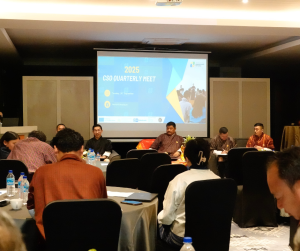
The meeting also explored the organisation of the Annual CSO Fair, envisioned as a platform to showcase the collective contributions of CSOs, strengthen CSO-public engagement, and highlight innovative approaches to social impact. Participants emphasised the importance of clear objectives, coordinated planning, and inclusivity to ensure the long-term success of such an undertaking.
In addition, Helvetas and DHI Innotech presented the CSO Grant Portal, an AI-powered platform designed to enhance fundraising efforts and connect CSOs with global opportunities. Feedback was sought to improve accessibility, thematic relevance, and user experience.
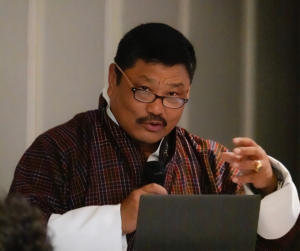
The session concluded with preparations for the upcoming EU Delegation visit to Bhutan, where thematic group coordinators will represent CSOs in discussions to highlight the civil society landscape, sectoral challenges, and opportunities for collaboration with development partners.
The CSO Quarterly Meeting serves as a vital platform for dialogue, reflection, and forward-looking strategies to strengthen the role of civil society in Bhutan’s democratic and development journey.